
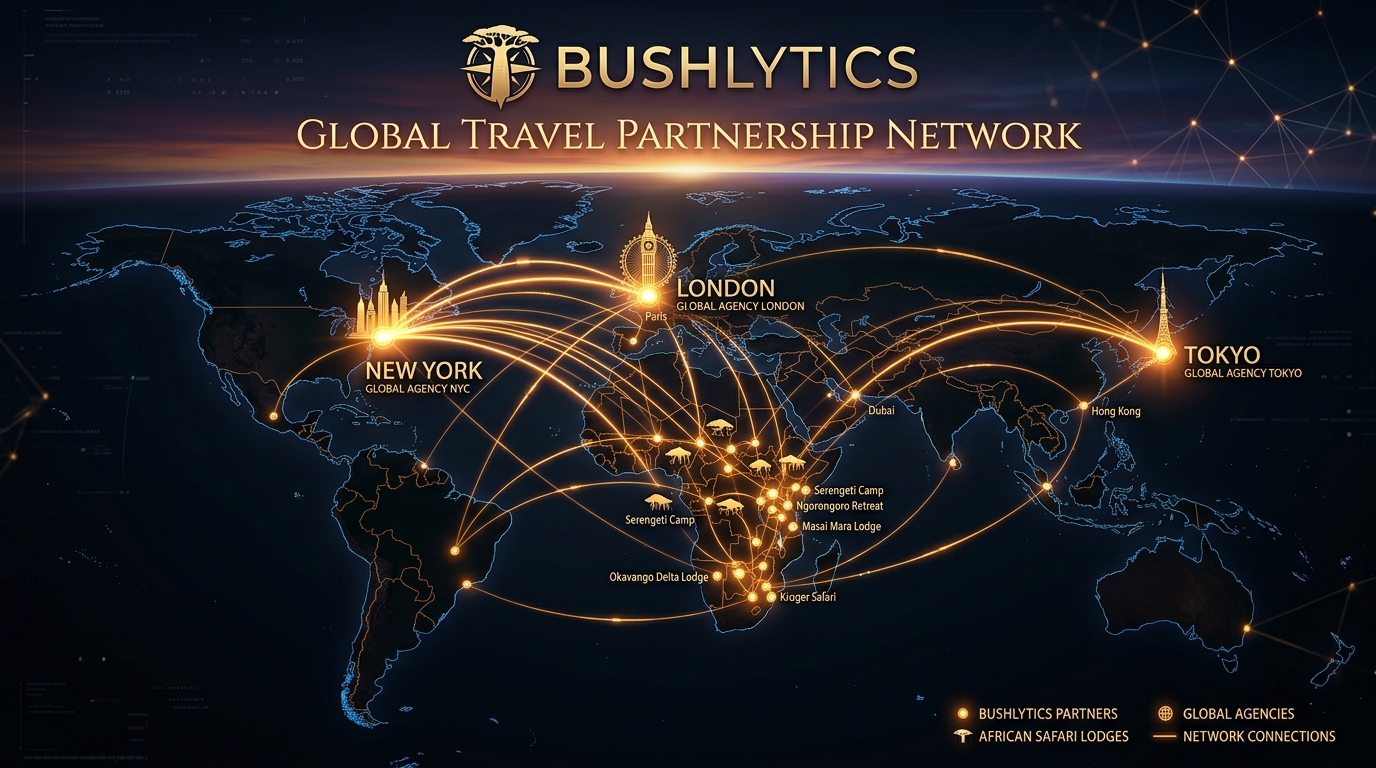
Digital PR and link acquisition for African travel businesses earns credible editorial mentions by turning genuine destination knowledge into useful stories, expert comments and publisher resources. The service is for safari operators, lodges, destination companies and travel specialists that need relevant authority beyond their own websites. It combines research, story development, media outreach, link review and clear reporting, without promising rankings or paid placements disguised as editorial coverage.
Why Travel Backlink Building Matters for Tour Operators
A good tour or lodge website can still be hard to find. Larger booking platforms, established international operators and old editorial guides often have years of links behind them. Publishing more pages alone does not close that gap. Search systems also look at whether other credible sites refer to a business and its information.
The harder part is earning those references honestly. A generic press release about a new itinerary gives an editor little reason to respond. Mass outreach creates noise. Cheap link offers often place a business beside unrelated subjects on sites built for selling links, which can waste money and create risk.
African travel companies hold useful source material that publishers need: local access knowledge, seasonal observations, conservation work, guest questions, route changes and first hand operational experience. The work begins by finding the part that is accurate, useful and publishable. Coverage is earned because the material helps a journalist or editor, not because an email asks for a favour.
The working principle. A relevant mention on a credible travel, conservation, business or regional publication can matter more than many links from unrelated sites. Relevance, editorial judgment and reader value come before a domain score.
Who Travel Backlink Building Is For
The service fits owner led safari companies, destination management companies, specialist tour operators, independent lodges, camps, conservation tourism projects and regional travel platforms. It also suits an established operator entering a new source market or adding a destination that has little authority on its present website.
Size is not the deciding factor. A small chimpanzee trekking specialist may have a clearer editorial position than a large general operator because its team can answer detailed questions few others can. A lodge with sound wildlife records, community partnerships and local access knowledge may hold several strong stories before any new research is commissioned.
The service is most useful when the business has a functioning website, identifiable experts and commercial pages worth supporting. If tour pages are thin, facts are inconsistent or inquiry handling is broken, those issues need attention too. Publicity can bring visitors, but it cannot repair a confusing offer after they arrive.
What the Service Includes
Every engagement starts with evidence. Bushlytics reviews the website, existing links, brand mentions, competitors, priority destinations and pages tied to inquiries. The review also checks whether the business has people who can speak with authority, usable internal data, credible partners or operational knowledge that deserves a wider audience.
Campaign scope can include expert commentary, original research, regional data stories, destination guidance, seasonal media ideas, link reclamation and partner coverage. The mix depends on what the business can support with proof. A data story needs a clear method. A conservation claim needs records or a source that can confirm it. An expert pitch needs a named person who can answer follow up questions.
We do not invent surveys, inflate sample sizes or present opinion as field research. If a proposed angle cannot survive an editor checking the source, it does not move forward. That standard protects both the publisher and the travel brand.
Expert commentary. Fast, useful answers from a named safari, lodge or destination specialist.
Original research. A documented analysis built from data the company owns or can lawfully use.
Resource outreach. A useful guide, tool or reference page offered to publishers already covering the subject.
Link reclamation. Work to recover broken links or turn accurate unlinked brand references into useful citations.
How the Service Works
Discovery comes first. We agree which markets, destinations and commercial pages matter, then identify the strongest sources inside the business. The next stage turns those sources into a campaign concept with a clear editorial reason to exist. The concept is checked for factual support, timing and fit before production starts.
Research and assets follow. This may mean cleaning a dataset, interviewing a guide, preparing concise commentary or building a publisher resource on the client site. Outreach is written for each relevant group of journalists and editors. It explains the story and source plainly. Follow up is controlled, since repeated generic messages damage trust.
When coverage appears, each mention is reviewed. We record the publication, page, link destination, link attribute, context and any factual issue that needs correction. Useful relationships are maintained for future stories, but editorial independence remains with the publisher. No ethical agency controls an editor’s final wording, publication date or decision to link.
What You Receive
The agreed scope normally produces a campaign brief, source plan, story or commentary assets, a reviewed publisher list, outreach activity and a coverage report. Where the work supports search visibility, the brief also maps target pages so earned references point to the most useful resource when editorially appropriate.
Campaign records also show which ideas were declined, paused or changed. That detail matters. A weak response from one publisher group may indicate that the timing is wrong, the evidence is too familiar or the story needs a narrower regional angle. The next campaign should learn from that response rather than repeat the same pitch under a new subject line.
Reporting separates activity from outcomes. Emails sent are activity. Published mentions, relevant links, referral visits, branded search interest and assisted inquiries are outcomes that can be observed. Rankings may be monitored, but a movement is not automatically attributed to one link because search performance changes for many reasons.
The client sees what was published and where. Hidden publisher networks, anonymous screenshots and unexplained link totals are not acceptable evidence. If an outlet removes a story or changes a link, the report records that change rather than pretending every placement is permanent.
How We Protect Quality and Accuracy
Quality review starts with topical and geographic relevance. A respected East African business publication may be useful for a company story, while a specialist birding journal may be the right home for a guide’s field observations. Neither should be judged by a single third party metric.
We also inspect editorial ownership, real readership signals, publishing history, outbound link patterns and the context surrounding a proposed mention. Sites that publish unrelated paid articles at scale are poor candidates. So are pages filled with copied material or misleading author profiles.
Anchor text is kept natural. Publishers decide how they describe a source, and forcing exact commercial phrases into every link creates awkward copy and an artificial pattern. Some valuable coverage may carry a nofollow link or no link at all. It can still support discovery and reputation, while an unlinked mention can sometimes become a later reclamation opportunity.
What we will not do. Bushlytics does not use automated spam, private blog networks, fabricated journalist identities, copied research or guaranteed ranking claims. We do not pay an editorial site while describing the result as earned media.
Your role in a travel digital PR campaign
The strongest campaigns need access to real people and records. A client names a contact who can approve facts, answer source questions and make an expert available when a journalist has a short deadline. Slow answers can cause a sound opportunity to pass.
Clients also provide accurate company details, destination coverage, operating policies, image rights where relevant and proof behind environmental or community claims. Bushlytics can organize the material, but it cannot replace internal truth. Sensitive data stays out of a campaign unless its use has been agreed and checked.
Approval does not mean rewriting a pitch into an advertisement. Editors respond to material that serves their readers. Clear source access and quick factual review give the campaign its best chance while keeping the brand voice credible.
When This Service Is and Is Not a Good Fit
This work is a good fit when a travel business has distinctive knowledge, a sound website and patience for editorial outcomes. It also fits brands that already publish useful material but lack the publisher relationships and campaign discipline needed to earn references.
It is a poor fit for a company seeking a fixed number of guaranteed top tier links, immediate rankings or complete control over headlines. It is also premature when the website has no clear offers, the team cannot verify its claims or the business needs paid demand tomorrow. Search advertising or conversion repair may deserve priority in those cases.
Sometimes the honest recommendation is a smaller link reclamation or partner outreach project rather than a full campaign. The decision should follow the evidence found during discovery, not a preset package.
Common Questions About Travel Backlink Building
Does digital PR guarantee links or higher Google rankings?
No. Publishers retain editorial control, and Google does not provide a formula that lets an agency guarantee a ranking from a campaign. The service creates credible opportunities, documents earned outcomes and monitors related search signals without claiming sole credit for every change.
How long does a campaign take?
Timing depends on the story, research needs, client approvals and publisher calendar. Expert commentary can move quickly when a relevant request appears. Original research needs more preparation. A campaign schedule is agreed after the source material has been reviewed.
Do you buy backlinks?
Earned digital PR is based on editorial merit. Where a publisher offers sponsored content, that arrangement must be disclosed and treated separately rather than reported as earned coverage.
Can a small African safari operator earn media coverage?
Yes, when the team has real specialist knowledge or useful evidence. A focused operator can be a better source than a broad brand because its guides and planners often answer detailed destination questions with greater precision.
What does digital PR and link acquisition cost?
Fees depend on research, asset production, markets, campaign length and reporting scope. Bushlytics quotes after discovery so the proposed work reflects the material available and the commercial pages that need support.
What happens if a publisher mentions the company without a link?
The mention is recorded and checked for accuracy. A polite request may be appropriate when a link would genuinely help the reader find the cited source, but the final decision remains with the publisher.
How to Get Started
Bushlytics can review your present authority, priority markets and available source material before recommending a campaign. If digital PR is not the right next task, we will say so. Contact Bushlytics for a low pressure discussion about the evidence your travel business can credibly bring to publishers.