
Why Your Safari Website Gets Traffic But No Inquiries
Your safari website gets traffic but no inquiries when the people arriving are poor matches, the offer is hard to judge, or the next step asks for more trust and effort than the page…
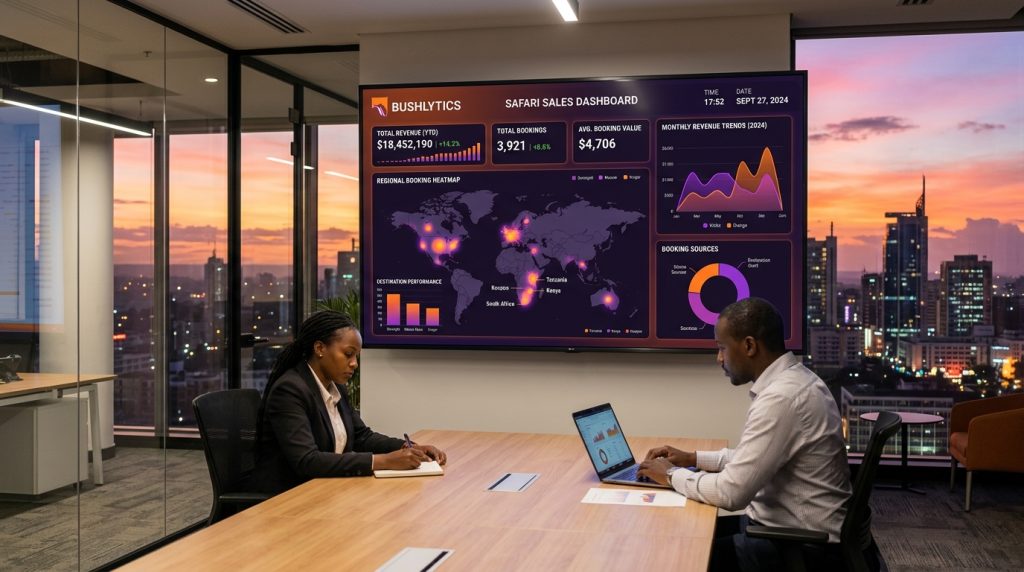
Your safari website gets traffic but no inquiries when the people arriving are poor matches, the offer is hard to judge, or the next step asks for more trust and effort than the page has earned. Safari buyers often compare several operators before requesting a quote. Your website is the part of that sales conversation that must explain the trip, prove the business is real, and make contact feel safe.
Safari Website Traffic and Buyer Intent
Some traffic was never likely to become an inquiry. A person searching for an animal fact, a park map, or a school project can add a page view without having any wish to travel. A person looking for a private Uganda gorilla safari next September is different. Both appear in a traffic total, yet only one has a clear buying task.
Begin with the landing page. Group arrivals by what the page promises. Informational articles can introduce the company, but their conversion job is usually to move a suitable reader towards a related trip page. Destination pages should help the reader choose an area or safari type. Tour pages should answer enough practical questions for a quote request. Mixing these visits into one site conversion rate hides the real result.
Search intent can also be wrong inside a commercial page. A page titled around cheap safaris may attract people whose budget cannot fund the itinerary shown. A page about family safaris that gives no child age guidance attracts families, then leaves them unable to judge suitability. The keyword delivered traffic. The offer did not meet the meaning behind it.
Look at geography too. Visits from countries you do not serve, referral spam, your own staff, job seekers, suppliers, and automated crawlers can make a weak month look busy. Paid campaigns can create the same illusion when broad targeting sends curious clicks rather than suitable travelers. More sessions are not proof of more demand.
A useful diagnosis compares inquiry rate by landing page, source, country, device, and safari interest. It also compares lead quality. Ten requests with no dates, workable budget, or reply may be less useful than two detailed requests from people ready to plan.
Safari Offer Clarity in the First Screen
A visitor should be able to identify what you sell, where you operate, who the trip suits, and what to do next without decoding slogans. A broad promise about African adventures gives little help. A plain statement about private, locally run safaris in Uganda and Rwanda for couples and families gives the reader something to match against the trip in mind.
The first screen is not required to tell the whole story. It must establish relevance. Name the country or region, the main safari type, and the service model. If every itinerary is private and custom planned, say so. If departures are shared and fixed, say that. If you serve travel agents as a destination company, do not make a direct traveler guess whether inquiries are welcome.
Photography helps only when it supports the offer. A lion image cannot explain whether the company runs camping trips, lodge safaris, fly in safaris, or day tours. Generic stock photographs can create another problem: readers wonder whether the operator has worked in the places shown. Real vehicles, guides, camps, guest groups, and recognisable locations provide more useful proof, provided the images are honestly labelled.
The main action should use words that describe the outcome. Request a safari quote, Ask about this tour, or Plan this trip is clearer than Submit or Learn More. Keep one main action visually consistent across the site. WhatsApp and telephone can remain available for people who prefer them, but a row of equal buttons makes the reader choose a communication system before choosing the safari.
Test the first screen on a phone, not just a wide office monitor. If a large image pushes the offer and inquiry action below several swipes, the page begins with decoration rather than an answer.
Safari Tour Pages That Support a Decision
A safari tour page fails when it creates interest but leaves the buyer with basic planning work. Travelers need to know the route, number of nights, pace, accommodation level, transport, included activities, exclusions, starting point, ending point, and the kind of group or vehicle involved. They also need to see where flexibility exists.
Write the itinerary around real decisions. Naming a park and lodge is not enough. Explain the drive, likely arrival time, whether the day contains a game drive, and what happens to meals during a transfer. On a gorilla trip, clarify permit handling and the amount of walking without promising a trek length. On a family safari, state how long road days feel and where a slower plan is possible.
Accommodation descriptions should distinguish a property category from a confirmed booking. If camps change with availability, explain the standard and location you will use, then name examples as examples. That prevents the common gap between an attractive sample itinerary and the final quote.
Price transparency matters even when a custom trip cannot show one fixed amount. The body can explain what makes the quote vary, such as season, party size, room type, park choices, internal flights, and private transport. Put current figures in the FAQ after they have been checked. A blank price area with only Contact Us makes the reader fear that the trip is far outside the budget.
Readers also compare the site with a marketplace listing and with competing operators. If the marketplace version explains cancellation, pickup, fitness, and inclusions better than the direct page, the operator has made the intermediary feel safer. Carry the same clarity onto the company website.
Give the reader a plain reason to inquire directly, but do not turn that reason into a loud discount promise. Direct contact may allow a custom route, different room choices, more useful arrival advice, one contact person, or better handling of a special request. Name only benefits the team can deliver. If the same trip appears on a marketplace, keep the itinerary facts, conditions, and availability message consistent across both places.
Availability language needs care. An inquiry button beside an old departure date or a camp that is no longer used makes the whole page feel neglected. Where inventory cannot be shown live, explain that space will be checked before confirmation. Where live inventory exists, show the reader whether the selection is a request, a temporary hold, or a confirmed booking. Those words change the level of commitment.
Be equally clear about what happens after the button. A custom quote request should not be labelled Book Now if no booking occurs. A booking action should not end in an open message box with no date or product carried through. The label, form, confirmation screen, and first reply should describe the same next step.
Safari Trust Signals Before an Inquiry
A safari can require a large advance payment to a company in another country. That changes the trust test. The buyer is not merely deciding whether the itinerary looks appealing. The buyer is deciding whether the operator exists, can secure the promised services, will answer during a problem, and will handle money properly.
Show a traceable business identity. The company name, operating address, working telephone number, domain based email address, team names, and relevant tourism licence or association membership should agree across the website and public profiles. Explain what a membership means rather than treating a badge as decoration. Membership is useful evidence, but travelers still check reviews and business history.
Recent reviews carry more weight than an old wall of praise. Display reviews close to the tour or inquiry decision, include the travel month or trip type when permission allows, and link to an independent profile so a cautious reader can check context. Do not rely on an unverified testimonial slider with first names only. Forum discussions show that travelers examine whether reviewers have a broader history, whether comments contain trip detail, and whether feedback appears across more than one source.
Proof should answer practical risk. Show guides and vehicles, explain emergency contact arrangements, name the payment processor or bank procedure, state when confirmation documents arrive, and make cancellation terms readable before the form. If a card surcharge or transfer rule applies, reveal it before the traveler invests time in a quote.
Company history can help when it is concrete. Names, roles, base location, languages, operating areas, and photographs from real work say more than a claim about years of passion. A clear About page supports the tour page, but important trust evidence should not be buried there.
Safari Inquiry Forms and Contact Friction
An inquiry form should collect enough information for a useful first reply without turning contact into unpaid administration. Name and email are rarely enough for a custom safari. Twenty compulsory fields can be worse. The right middle ground usually asks for travel period, party size, countries or activities of interest, an approximate trip length, and a free text note.
Make budget optional or explain why it helps. Travelers often hesitate when they do not know the market, fear being sold up, or cannot tell whether the field means a total or a per person amount. A few broad ranges can help, but any figures must be kept current and explained in the FAQ. Another option is a plain sentence telling the reader that a budget helps the planner suggest a workable route.
Phone fields deserve care. Country codes, spaces, and common number formats should work without errors. Date selectors must be usable on a small screen and should allow an approximate month when flights are not booked. Do not require account creation merely to ask a question.
After submission, show a proper confirmation page. State that the inquiry arrived, how and when the team normally replies, which address will send the response, and what the traveler can prepare meanwhile. Send a matching email copy. Without this, a visitor may submit twice, switch to WhatsApp, or assume the form failed.
Test every route yourself. Send a desktop inquiry, a mobile inquiry, a WhatsApp message, and a telephone click. Check spam filtering, notification recipients, replies to addresses, and the record in the customer system. A beautiful form that sends nowhere produces exactly the symptom in the title.
Mobile Safari Website Speed and Usability
Travel research moves between devices. A person may discover a safari on a phone, compare itineraries on a laptop, then return through WhatsApp. Mobile is not a smaller desktop page. It is often a distracted session on an uneven connection, with a keyboard covering half the screen.
Start with the tour page and inquiry path. Compress oversized images, reserve image space so buttons do not jump, and delay decorative media that blocks the first answer. Keep text large enough to read, controls easy to tap, and menus short. A booking widget that works on the homepage but breaks after a date selection still fails the mobile test.
Speed scores are clues, not the business result. Check real visitor data where available, then watch the page on ordinary phones and slower connections. Google recommends assessing overall page experience, including mobile display, secure delivery, intrusive overlays, and whether the main content is easy to distinguish. A perfect laboratory score does not prove the inquiry path is clear.
Popups are especially costly on a phone. A cookie notice, chat invitation, mailing prompt, and WhatsApp bubble can cover the itinerary and inquiry button together. Keep legally required controls compact and let the reader initiate chat.
Cross device continuity also matters. Make the tour name visible in a WhatsApp message or inquiry subject so the team knows what was viewed. Let a traveler email the itinerary link without losing dates or room choices. If the booking system opens on another domain, preserve the operator name, tour name, and visual identity so the handoff does not look suspicious.
Safari Content That Leads to Commercial Pages
Informational content can bring suitable travelers into the site, but it needs a next step that fits the question. An article about gorilla trekking seasons should link to relevant gorilla tours and explain how timing changes availability. A park guide should lead to itineraries that spend enough time there. A packing article should connect to the trip types for which the advice applies.
Do not force every article straight to a generic contact page. The reader still needs to choose. Link to one or two closely related commercial pages in the body where the decision naturally changes. Use descriptive link text, not Click Here. A clear trail from article to destination to tour to inquiry makes both reader behavior and measurement easier to interpret.
Content can attract the wrong audience when its subject is broad, its location is unclear, or its advice is detached from the trips sold. Check which articles bring many entrances but almost no tour page views. Some are useful awareness pages. Others may need a clearer country focus, a better related tour link, or an honest decision to stop investing in that topic.
Original detail makes the commercial link credible. Explain road times, permit handling, route tradeoffs, activity limits, and who might prefer another option. Google recommends people first content that adds original information and demonstrates trust. Rewriting the same destination summary found on many sites gives a visitor little reason to trust this operator with the harder planning questions.
Safari Inquiry Tracking Across the Sales Path
Traffic cannot diagnose an inquiry problem by itself. Track the steps that show intent: a tour page view, inquiry button click, form start, form submission, WhatsApp click, telephone click, email click, and booking handoff. Then connect submitted inquiries with qualified leads, quotes, deposits, and confirmed trips where the customer system allows it.
Google Analytics can record form starts and submissions, and a specific lead form submission can be marked as a key event. Its recommended lead events also distinguish a generated lead from a qualified lead, a working lead, and a converted lead. That distinction matters for safari businesses because the sale often finishes through email, telephone, or WhatsApp rather than in the first website session.
Name events consistently. Record the tour or page, source, device, and country without storing private message text in analytics. Use a confirmation page or reliable submission event rather than counting every visit to the contact page as an inquiry. A contact page view is interest, not a lead.
Review landing pages alongside key events. One page may bring a small number of visitors who submit detailed requests, while another brings heavy traffic and no commercial movement. Attribution reports can show the touchpoints that assist a later inquiry, although consent settings, device changes, and private messaging mean the record will never be complete.
Keep a simple manual reconciliation. Once a month, compare website submissions, inbox messages, WhatsApp conversations, telephone notes, qualified leads, quotes, and bookings. Missing website records expose tracking faults. Large numbers of weak requests expose a targeting or qualification fault. Strong leads with no quote expose a sales process fault rather than a page fault.
Safari Inquiry Response and Proposal Quality
The website may be producing inquiries that the business does not recognise or retain. Messages can land in spam, remain assigned to a former employee, receive a late reply, or move into a spreadsheet with no follow up. The symptom then gets blamed on marketing because bookings remain low.
Set one owner for each new inquiry and record the next action. An automatic receipt can confirm delivery, but it is not the answer. The first human response should acknowledge the requested dates, group, and interests, then state what happens next. If research is needed, give a realistic reply window.
Forum discussions reveal a sharp frustration: travelers submit clear preferences and receive a generic proposal that ignores them. A template can save time, yet the itinerary must still match the requested country, pace, party, and dates. Proofread names, lodge locations, day counts, room types, and transport. One copied error makes every other promise less credible.
A proposal should resolve the questions that delayed the website inquiry. Explain what is provisional, how availability will be checked, what the next payment step means, and which changes are possible. It should also carry the same company identity and policies shown on the site. A plain attachment from an unrelated email domain can undo the trust earned by the tour page.
Track reply time and outcome, but read the losses. A traveler who says the plan was too rushed teaches something different from one who stopped replying after payment instructions. Mark a small set of honest reasons, then compare them by tour and source.
Safari Website Fixes in Priority Order
Fix broken delivery first. Confirm that forms, email notifications, telephone links, WhatsApp links, analytics events, and confirmation messages work. There is no value in rewriting a page while its inquiry notification goes to an abandoned inbox.
Next, repair the highest intent pages. Choose the tour pages that already receive suitable traffic. Clarify the offer, route, accommodation standard, inclusions, uncertainty, trust proof, and main inquiry action. Test them on a phone. This work is more likely to change inquiries than a sitewide colour or typography project.
Then reduce form friction and strengthen the reply process. Remove questions that the team does not use, fix error messages, and make confirmation clear. Assign inquiry ownership, set a response expectation, and check whether proposals answer the request.
After that, connect informational pages with commercial choices. Work from articles that already reach the right countries and topics. Add relevant internal links and measure movement into tour pages rather than judging the edit by traffic alone.
Finally, test one change at a time where traffic permits. Smaller operators may not receive enough inquiries for a formal experiment to settle a question quickly. Use page recordings with consent, form error logs, sales notes, and direct traveler feedback alongside the numbers. Keep a record of the date and change, but do not declare a win from one good week.
The priority is the closest verified obstacle to a qualified inquiry. Sometimes that is poor traffic. Sometimes it is missing price context, thin trust proof, a broken phone field, or a proposal that reads as if nobody read the request.
Repeat the check after each change. Compare the same traffic segment over a sensible period, read the new inquiries, and ask the sales team whether the detail improved. A higher submission count is useful only when the requests can become workable safari plans.
Safari Website Diagnostic for Different Travel Businesses
A custom tour operator should measure qualified quote requests and the movement from request to planned itinerary. Its pages need to explain flexibility, planning knowledge, permit or room handling, and the trust required for a deposit.
A destination company serving travel agents has another path. The useful action may be a trade inquiry, sample programme request, or partner call. Consumer traffic can raise sessions without serving that goal, so the site should identify the trade audience and give agents the operating areas, service scope, contact person, and response process they need.
A lodge or camp may have both direct booking and assisted inquiry routes. Availability, room types, child policy, transfers, meal plan, access season, and booking conditions carry more weight than a broad destination story. Track booking engine exits and completed reservations separately from email inquiries.
A day tour business often has a shorter decision. Date availability, meeting point, duration, group size, cancellation terms, and a fast mobile booking path matter. If nearly every buyer can book without a custom plan, a long inquiry form may be the wrong tool.
The same traffic problem can mean different things in each business. Define the commercial action before judging the website. A lodge booking, a custom safari request, and a travel agent introduction should not be combined into one conversion number.
Frequently Asked Questions About Safari Website Inquiries
There is no trustworthy universal rate for every safari business. An information heavy site, a custom luxury operator, a day tour seller, and a lodge booking engine have different visitor intent and sales paths. Establish a baseline for qualified inquiries by landing page and source, then improve the weakest verified step. Treat unsupported industry averages with care.
Show enough price context for a traveler to judge fit. Fixed tours can display the current per person amount and what it includes. Custom trips can use checked starting figures, sample ranges, or a clear explanation of the factors that change the quote. Keep every amount current, state whether it is per person or per trip, and reveal compulsory fees before payment.
Ask only for details that change the first useful reply. Travel period, party size, trip length, destinations or interests, contact details, and a free text message are often enough. Optional budget context can help. Test completion on a phone, including country codes and approximate dates.
They serve different preferences. WhatsApp lowers effort and suits quick questions, while a form can collect structured planning details and create a clean record. Offer both when the team can monitor both. Track clicks separately, carry the tour name into the message, and make ownership clear inside the business.
Common causes include too many compulsory fields, poor phone input, a date tool that rejects approximate plans, hidden policy questions, low trust near the form, mobile layout faults, and no clear reason for collecting sensitive details. Form start and submission events help locate this leak. Error logs and mobile testing explain it.
Travelers commonly cross check the operating address, working telephone numbers, tourism licence, association membership, recent reviews across independent sources, team identity, and payment beneficiary. They may also ask for recent client references. Put traceable evidence on the website and keep names consistent across public profiles.
The response may arrive late, ignore the request, contain itinerary errors, leave accommodation or transport unclear, or introduce a payment method without enough reassurance. Review the original inquiry beside the reply and proposal. Track losses by reason instead of marking every silent lead as price related.
Record the website lead, then update its stage when it becomes qualified, receives a quote, pays a deposit, or closes without a booking. Google Analytics supports lead events, but the customer system or a careful lead register must hold the later sales outcome. Reconcile email, telephone, forms, and WhatsApp each month.
Run the Bushlytics Safari Website Score
A useful audit should separate traffic quality, tour page clarity, trust, mobile use, inquiry friction, tracking, and sales follow up. Bushlytics can review those parts of your safari website and show which verified gap deserves attention first. Run the Safari Website Score, then use the result as the agenda for one practical improvement at a time.


Related Tourism Marketing Articles

What a High Converting Tour Page Needs
A high converting tour page gives a traveller enough clear information, proof and reassurance to choose the trip and take the next step. The…
Read article
Homepage Structure for Safari Companies
A strong homepage for a safari company quickly identifies the trips offered, the regions covered and the next step for planning or booking. Its…
Read article